The Rise of Online Harassment
RAD Campaign was early in asking bigger questions about the dark side of the web — and the concerns we all need to be focused on in order to truly harness the digital force for good. Two big issues have always stood out: online harassment, and expectations around privacy.
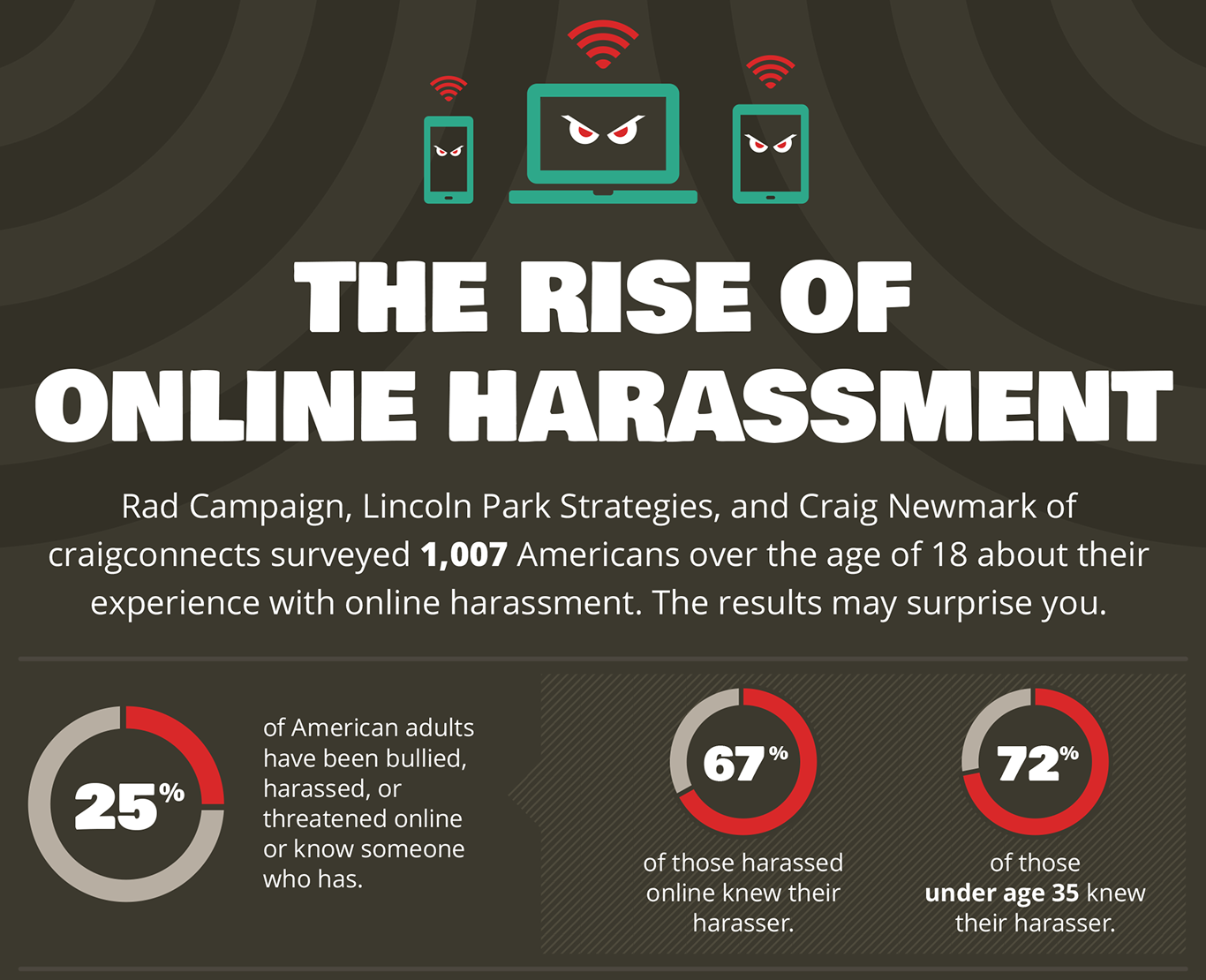
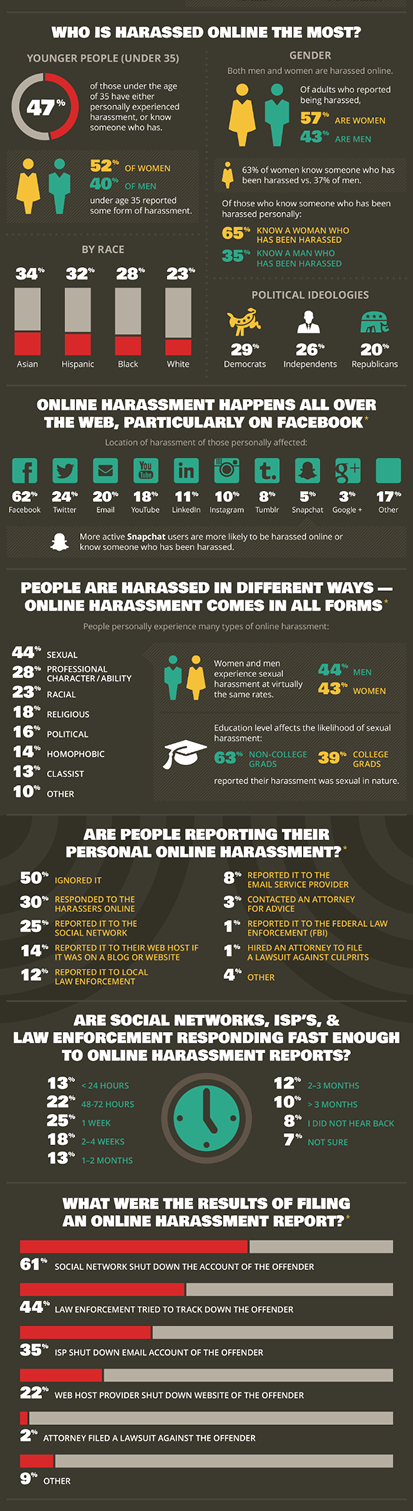
Over a decade ago, in 2014 we asked people about their experiences with online harassment — and the results may surprise you. Notably, more than half of American women under the age of 35 report experiencing harassment online.
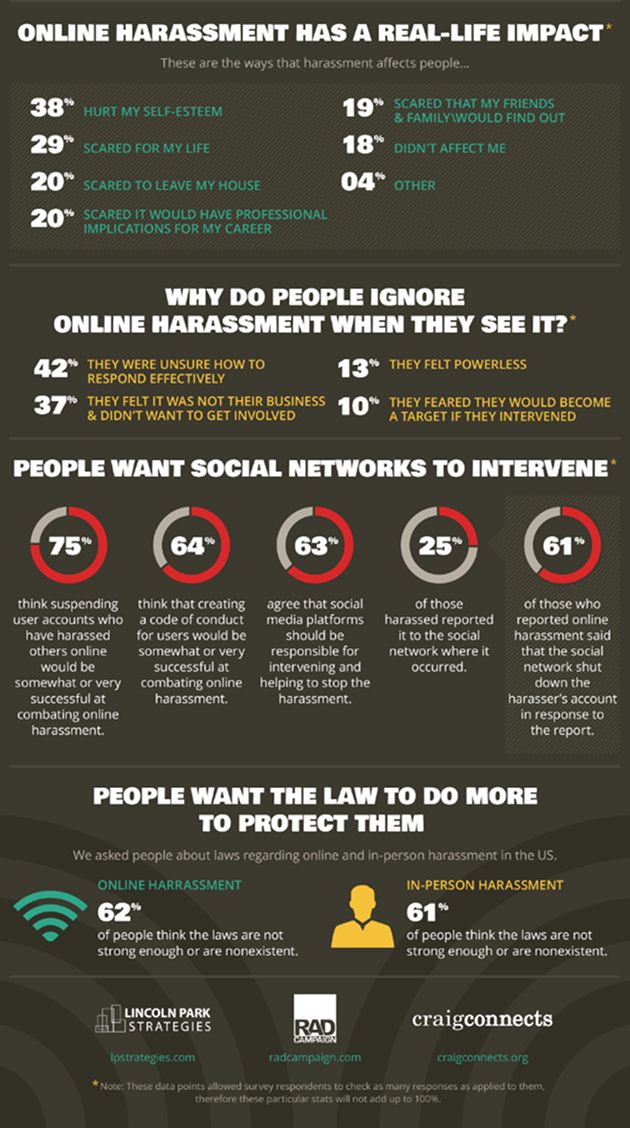
Almost 50% of Americans under the age of 35 either have been bullied, harassed, or threatened online, or know someone who has. We visualized the results from that national poll to show who is harassed online the most, where and how it occurs, and what people are doing about it.
Does Online Privacy Actually Exist?
On the wide-open web, what can we really expect? Your information is out there, whether you like it or not, and the majority of Americans don't trust that social networks will keep their data safe.
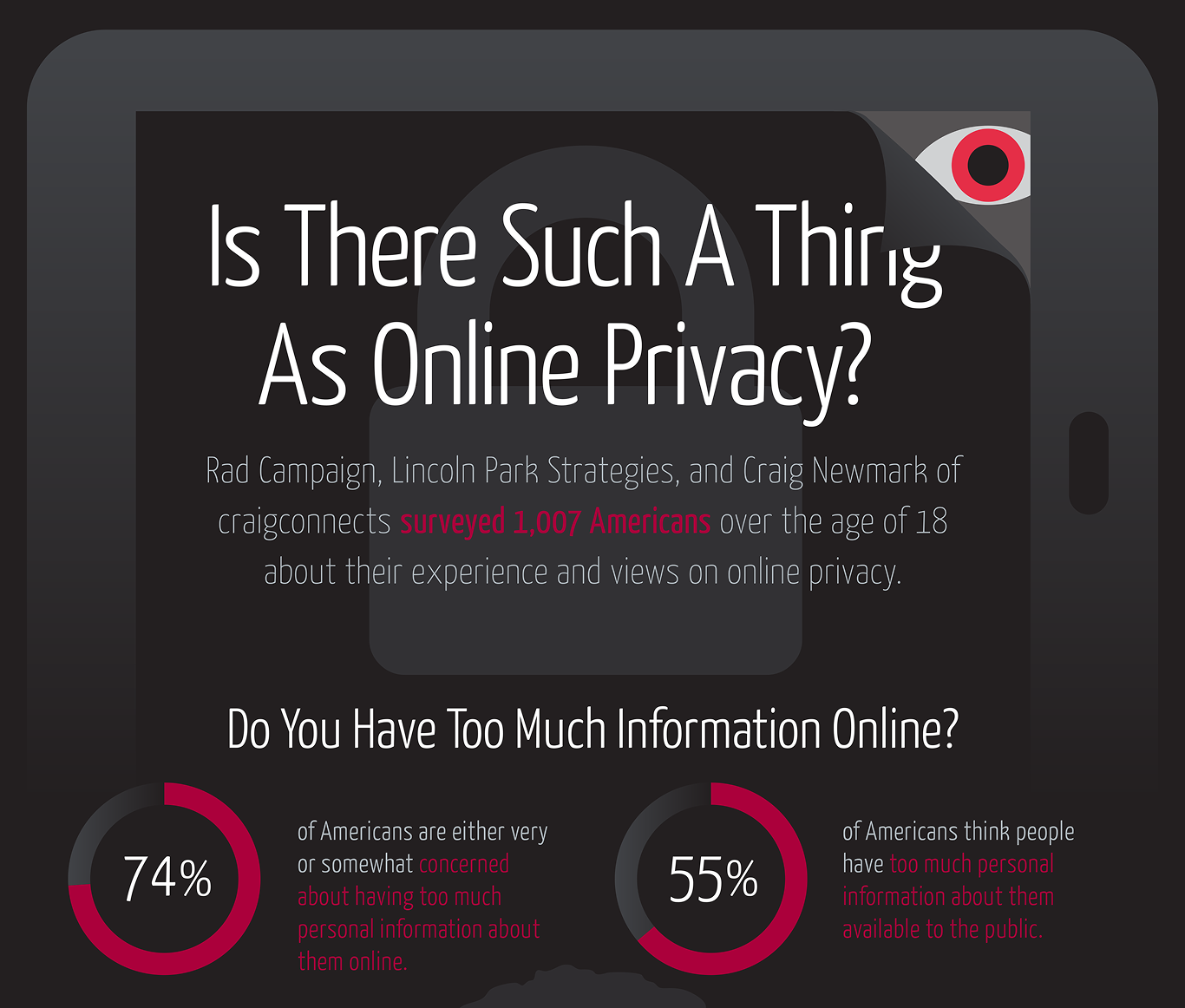
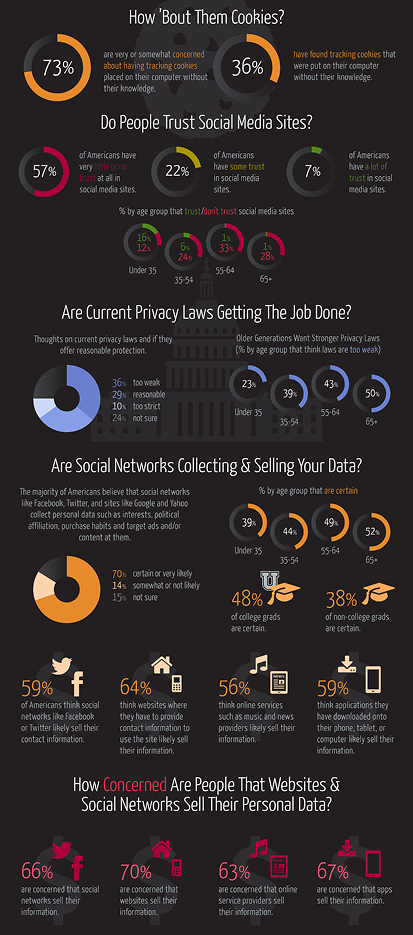
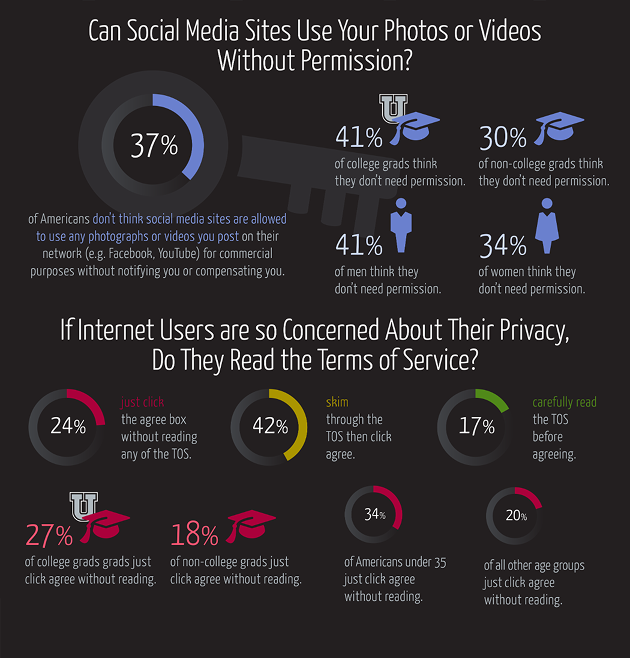
We visualized the results from national survey results about how Americans interact with, and mistrust, our online world. Among the highlights, most people (74%) are concerned about having too much personal information online, don’t trust social media sites (57%), and are concerned about social media and websites selling their information (70%).
Growing Concerns Around Online Privacy
On the wide-open web, what can we really expect? Your information is out there, whether you like it or not, and the majority of Americans don't trust that social networks will keep their data safe.
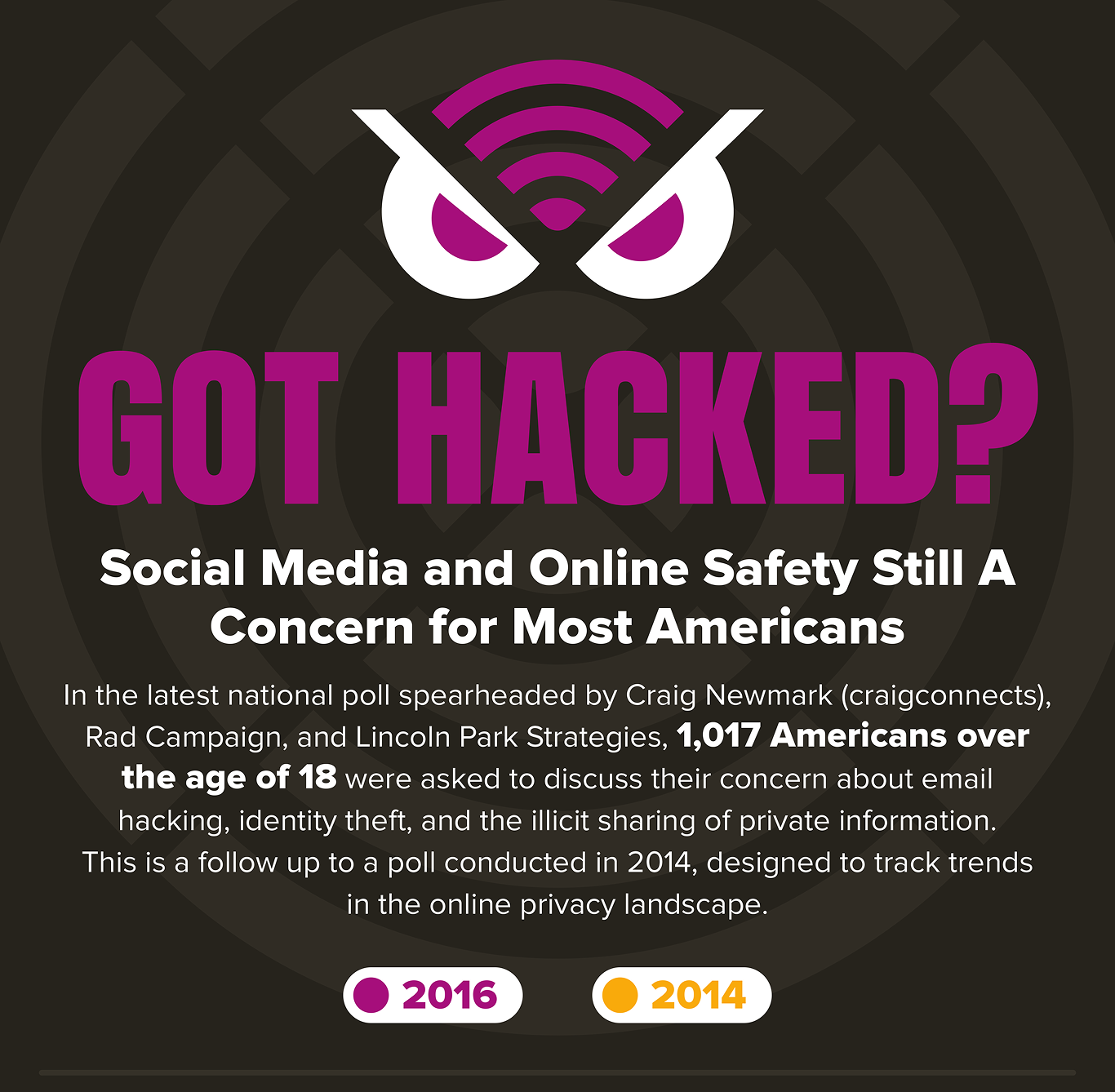
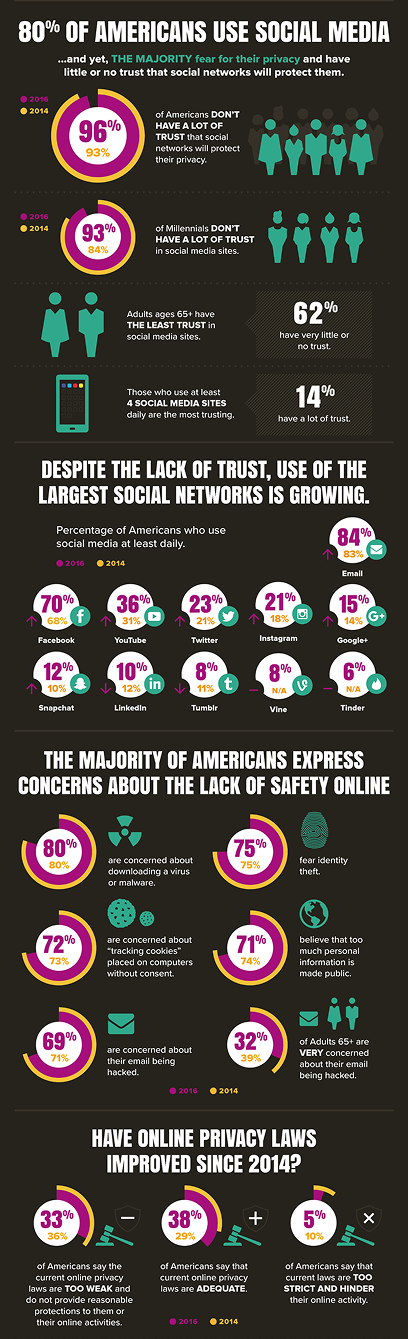
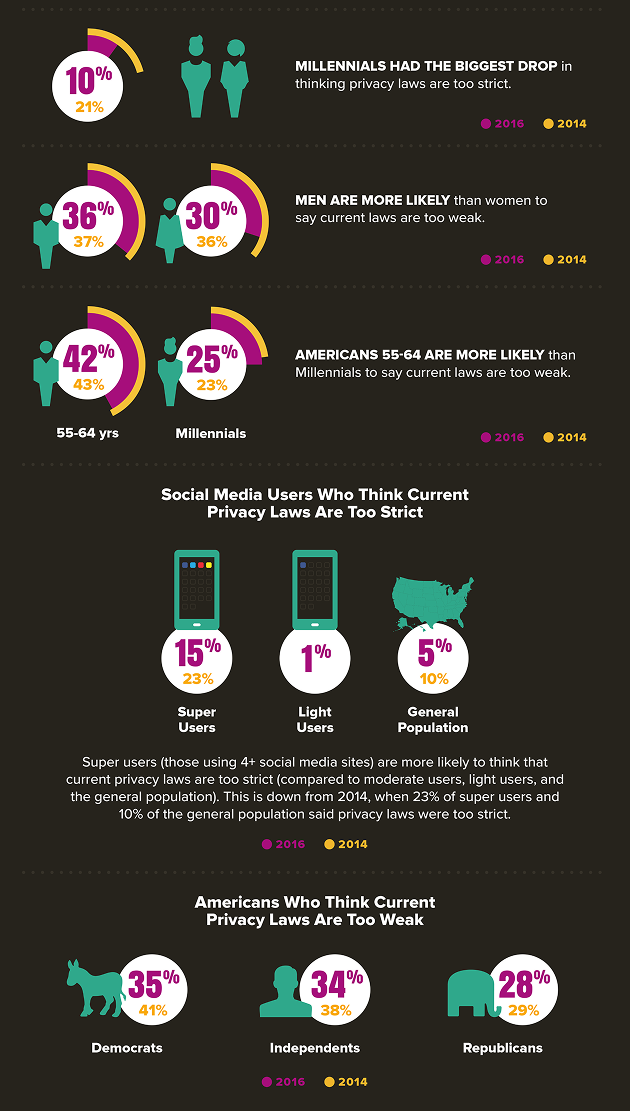
We visualized the results from national survey results about how Americans interact with, and mistrust, our online world. Among the highlights, most people (74%) are concerned about having too much personal information online, don’t trust social media sites (57%), and are concerned about social media and websites selling their information (70%).
The #CelebGate Photo Leak Exposed Fears — And More
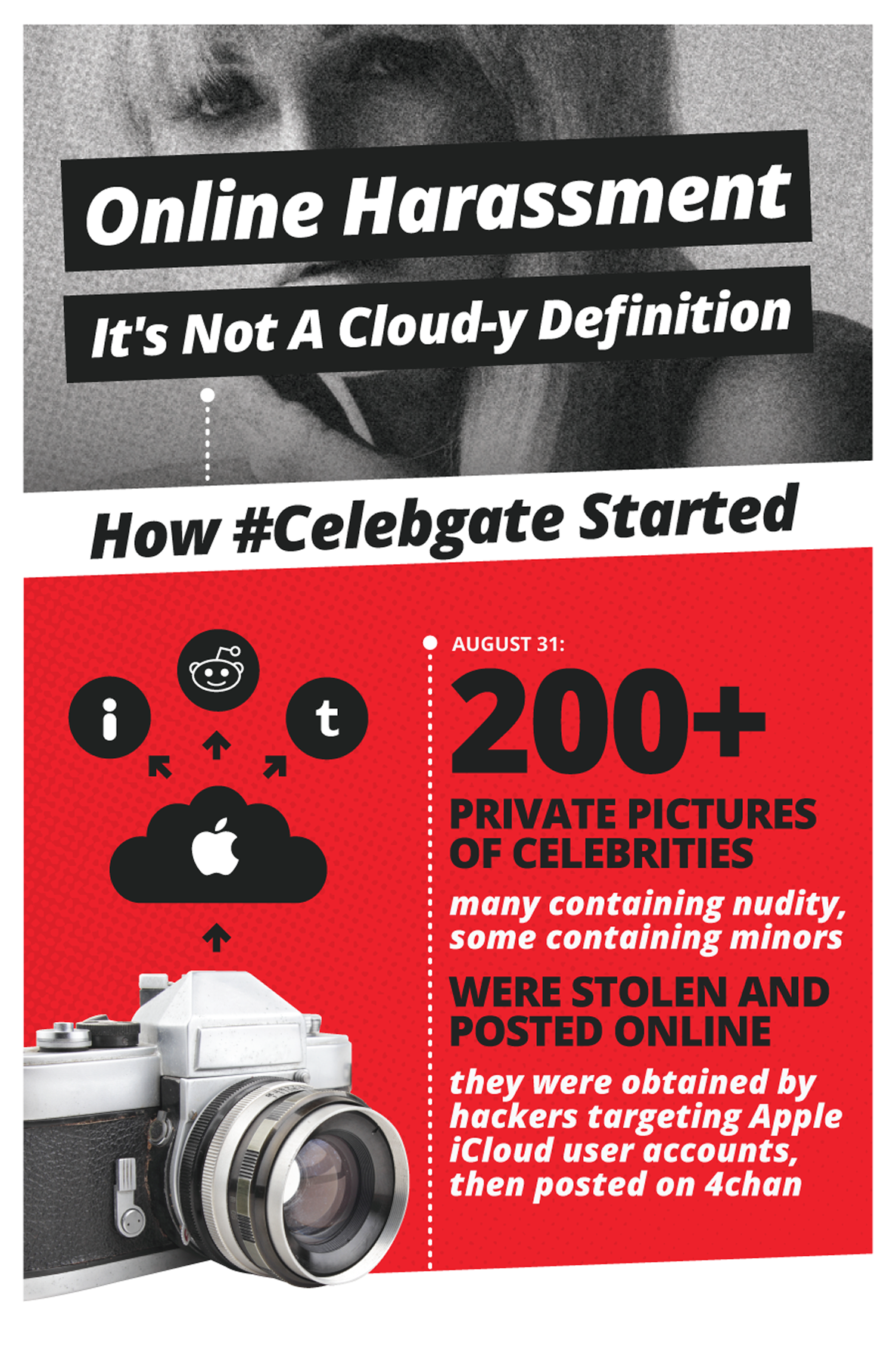
When private, explicit celebrity photos were stolen and posted online, people continued to see the risks to their own private data. Targeting Apple iCloud accounts, hackers gained access to private celebrity photos and posted them on 4Chan, where they continued to spread across the web on Reddit, Twitter (X), Google, and other websites.

Celebrities expressed outrage, and protested the hacking as an illegal invasion of privacy. While both interest and concern among the public grew, lawsuit threats mounted and websites worked to remove photos and suspend users and activity engaged around them. Still, a sense of unease gripped the situation, as people watched fears around online privacy and harassment come to life.
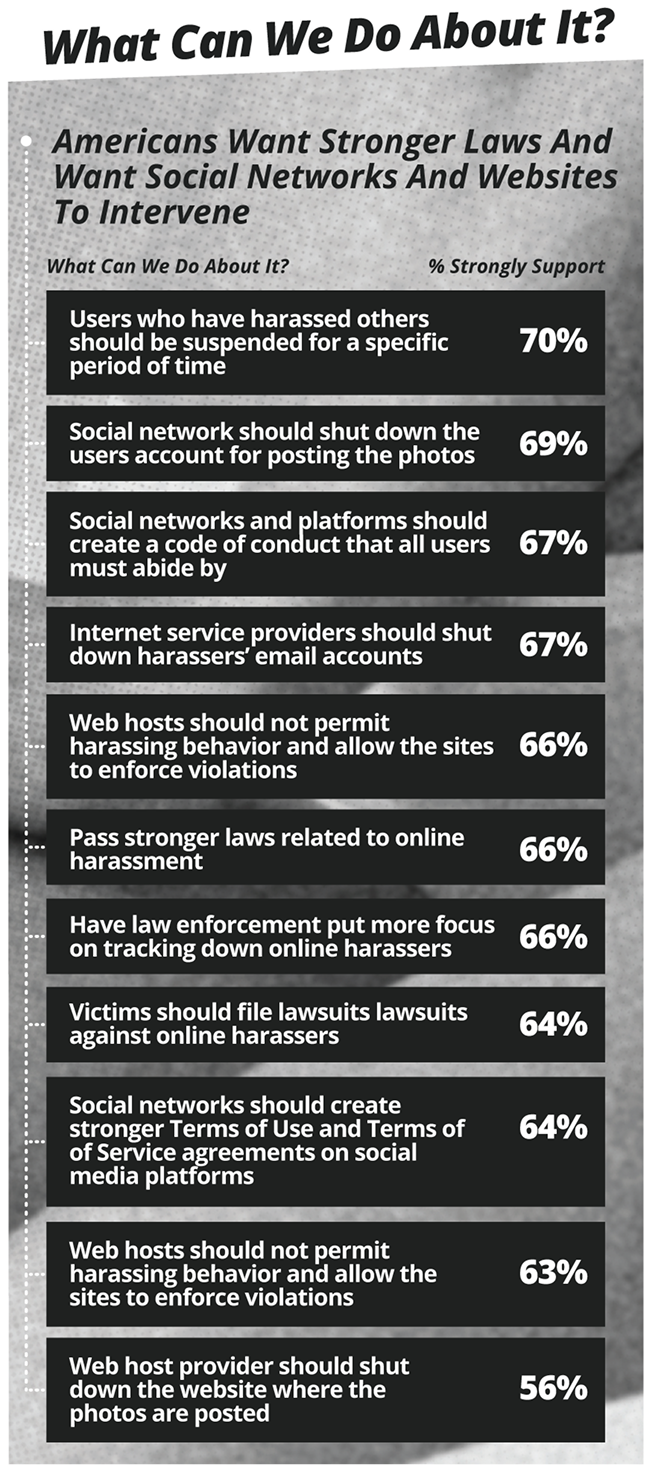
In a national poll, RAD asked if Americans felt it was online harassment to hack into someone’s account and post personal, revealing photos online. Overwhelmingly, people agreed that it was (75%), and that even if shared privately, posting the photos online without consent is still online harassment (67%). In response, people wanted to see stronger regulations like suspending accounts (70%), enforcing a code of conduct (67%), and stronger law enforcement response to tracking down online harassers (66%).
Online Harassment and Privacy Concerns Persist
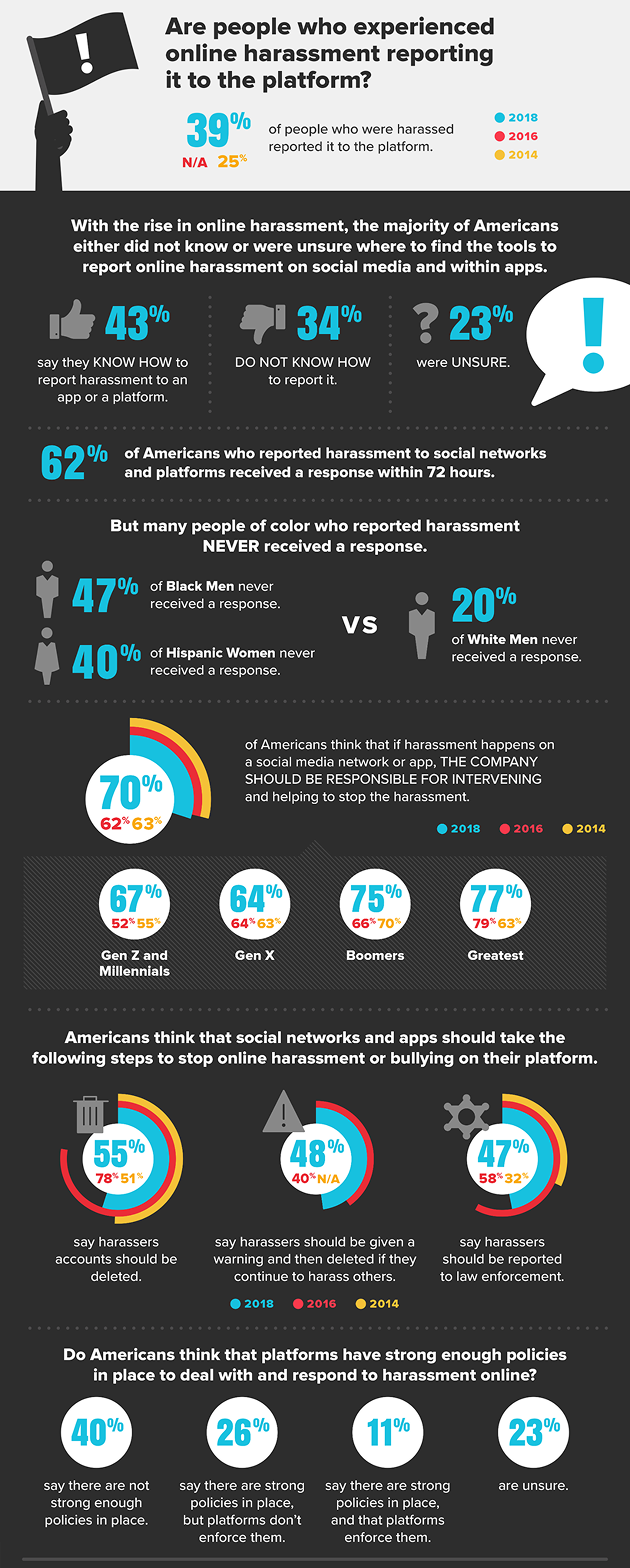
Most recently, RAD found that online harassment persists — it’s still a big problem, and getting worse. Following the #MeToo movement and growing concerns around these issues, we polled people to ask how people’s attitudes have evolved. The data offers a lens into the real-life impact cyberbullying has on Americans across social networks that many of us use every single day.
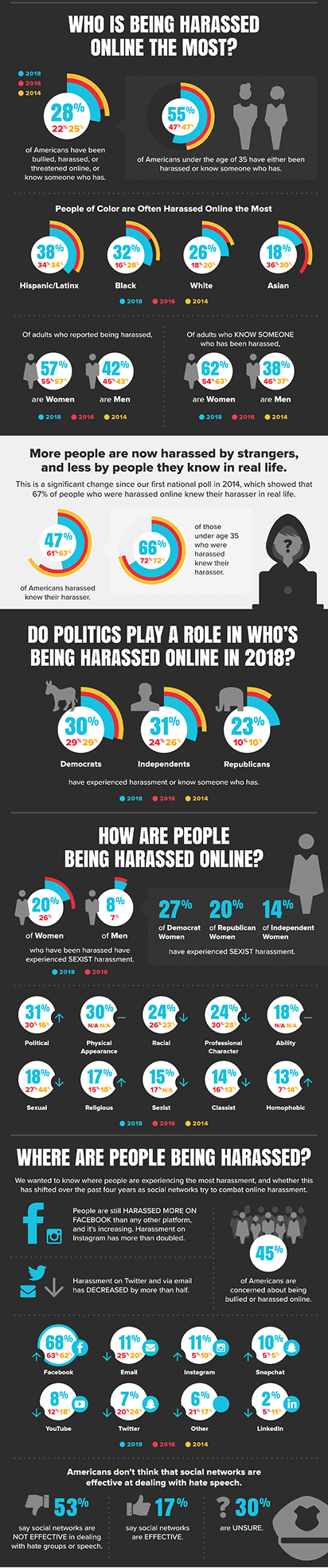
Following the trends of previous polls, even more Americans under the age of 35 reported being harassed or knowing someone who has (55%). Women report being harassed more than men (57% vs. 42%), and increasingly are harassed by strangers instead of someone they already know (20% more).
The data shows that online harassment and privacy concerns present a dark side to the web and social media, and RAD continues to follow and track the trends to evaluate how they impact everything from our personal lives to the steps that nonprofits and organizations need to take to build vibrant, healthy and engaged communities — and focus on maximizing the impact of their mission.